
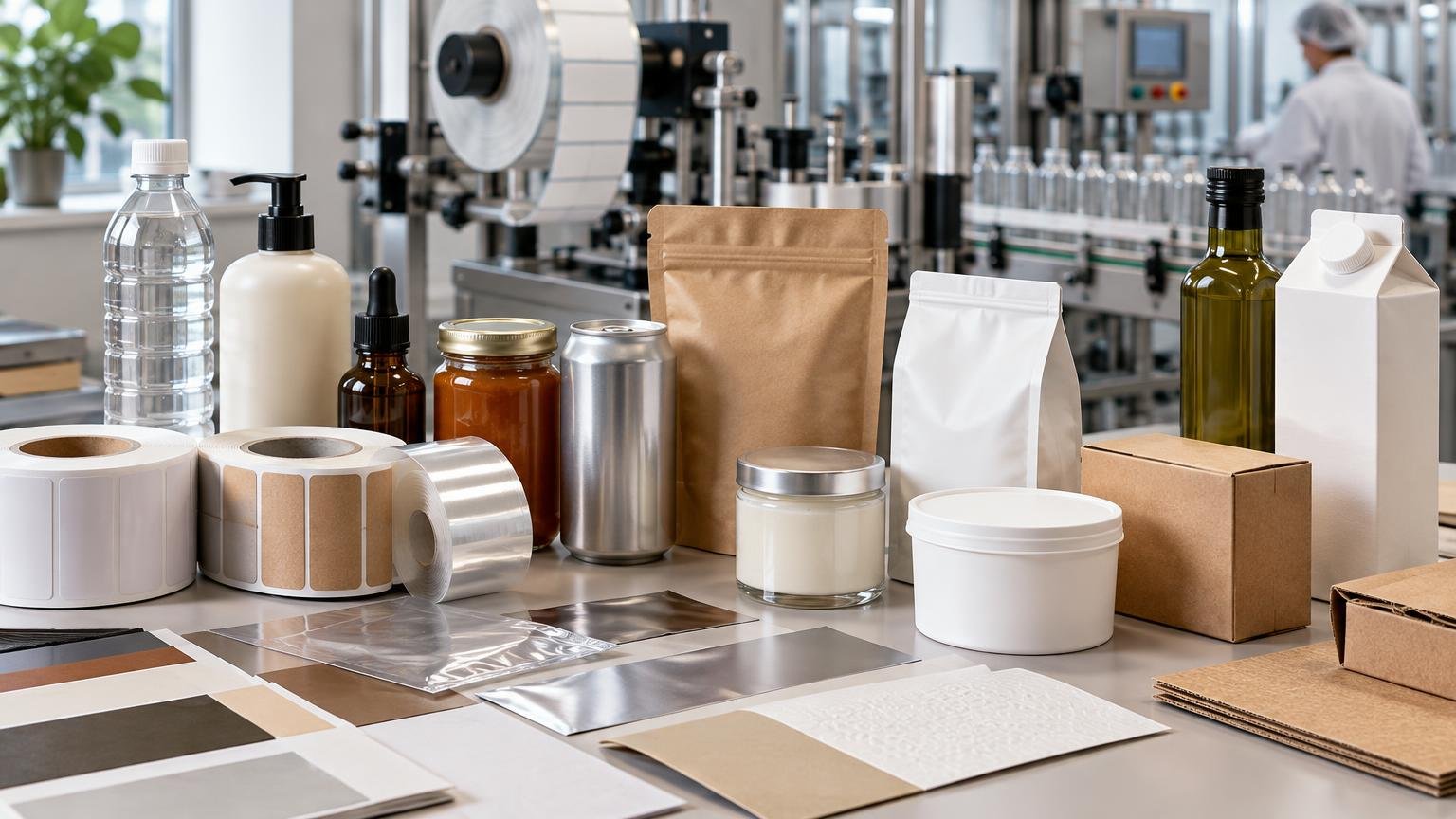
Packaging and Labels: Containers, Materials and Printing
Practical guides connect container formats, label materials, printing, finishing, application, and product environments for brands, designers, and packaging teams.
See the whole packaging system
Packaging and labels are not separate decisions. A label that looks right on screen still has to fit the container, adhere to its actual surface, move through application, withstand the product environment, and reach the customer in good condition. Joy Containers covers packaging and labels for consumer-product and ecommerce brands, packaging buyers, designers, product teams, entrepreneurs, and operations professionals making those connected choices.
The focus spans pressure-sensitive labels, shrink sleeves, direct decoration, and printed packaging for bottles, jars, tubs, pouches, cartons, and related formats. Coverage connects facestocks, adhesives, white ink, coatings, laminates, and finishing to the realities that change the answer: container material and shape, surface radius, squeeze or flex, moisture, condensation, temperature, oils, handling, transport, shelf presentation, and the intended application method.
Latest packaging guides and news
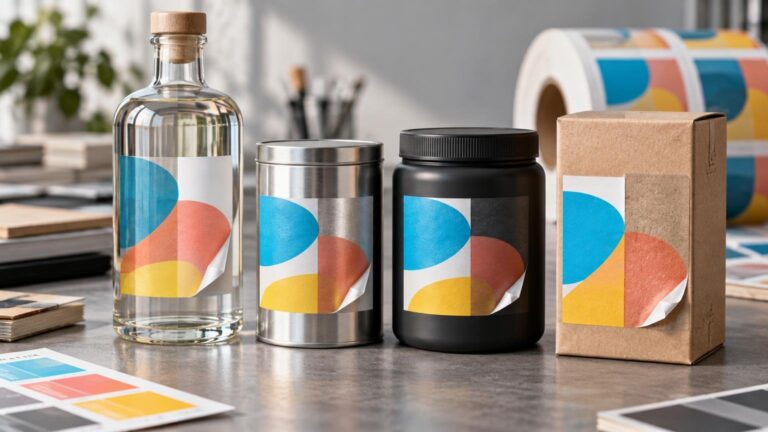
Digital Label Printing With White Ink: When the Extra Station Matters

Bottle Label Materials: Paper, BOPP, PET, and Vinyl Compared
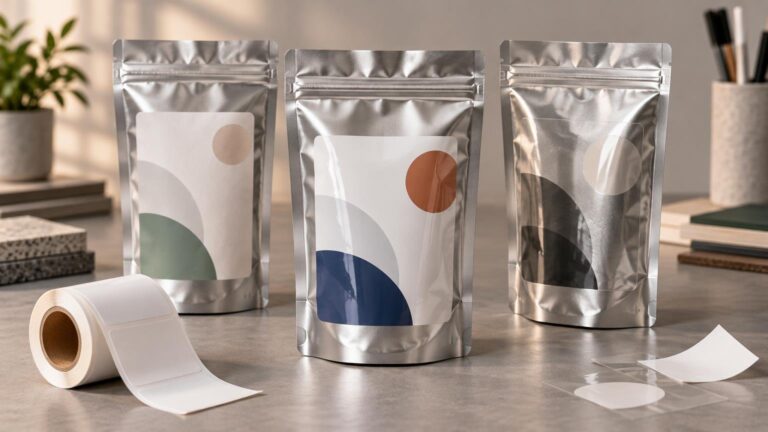
Best Labels for Cannabis Mylar Bags: Printed Labels for Small and Growing Brands
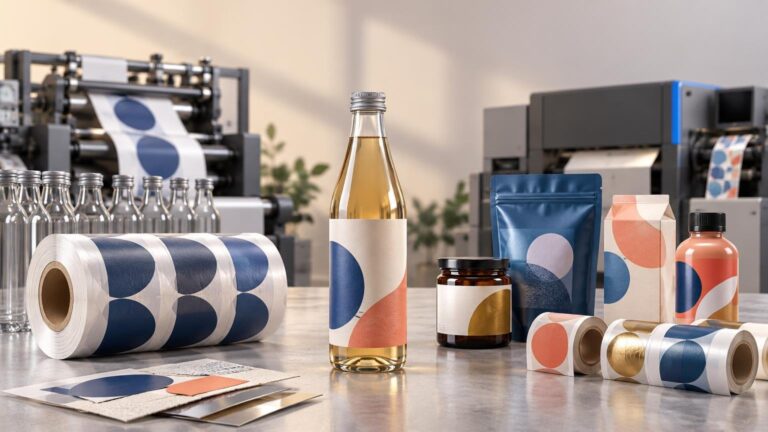
Digital vs Flexographic Label Printing: Which Makes More Sense for Your SKU Mix?

Wraparound Bottle Labels: Seam Placement, Overlap, and Design Continuity

Best Labels for Handmade Soap Packaging: Bands, Boxes, Bags, and Product Stickers

How to Choose a Label Adhesive for Cold, Wet, or Condensing Containers

How to Choose a Label Finish for Products Handled With Wet Hands
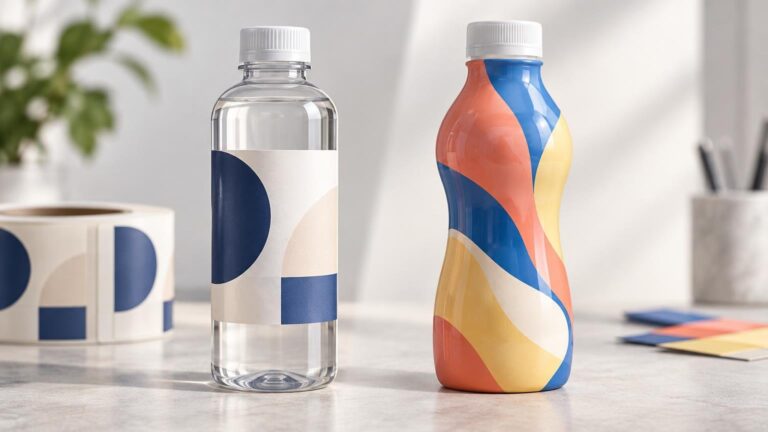
Pressure-Sensitive Labels vs Shrink Sleeves: How to Choose for Bottles and Containers
Make specifications easier to defend
Format and production comparisons start with the package program, not a single feature or print-process slogan. Joy Containers examines SKU count, run length, versioning, substrate, color requirements, finishing, application equipment, lead time, inventory, and total cost when comparing digital, flexographic, hybrid, and other approaches. The useful question is which construction and workflow fit the product, container, and operating constraints.
Packaging-printing news is approached through practical consequences: what changed, who should care, and which package specification or buying decision deserves another look. Guides are designed to help readers ask better questions of converters and suppliers, particularly where performance depends on the complete label construction rather than one material claim. For regulated labeling, environmental claims, and compliance questions, production guidance remains distinct from legal conclusions.